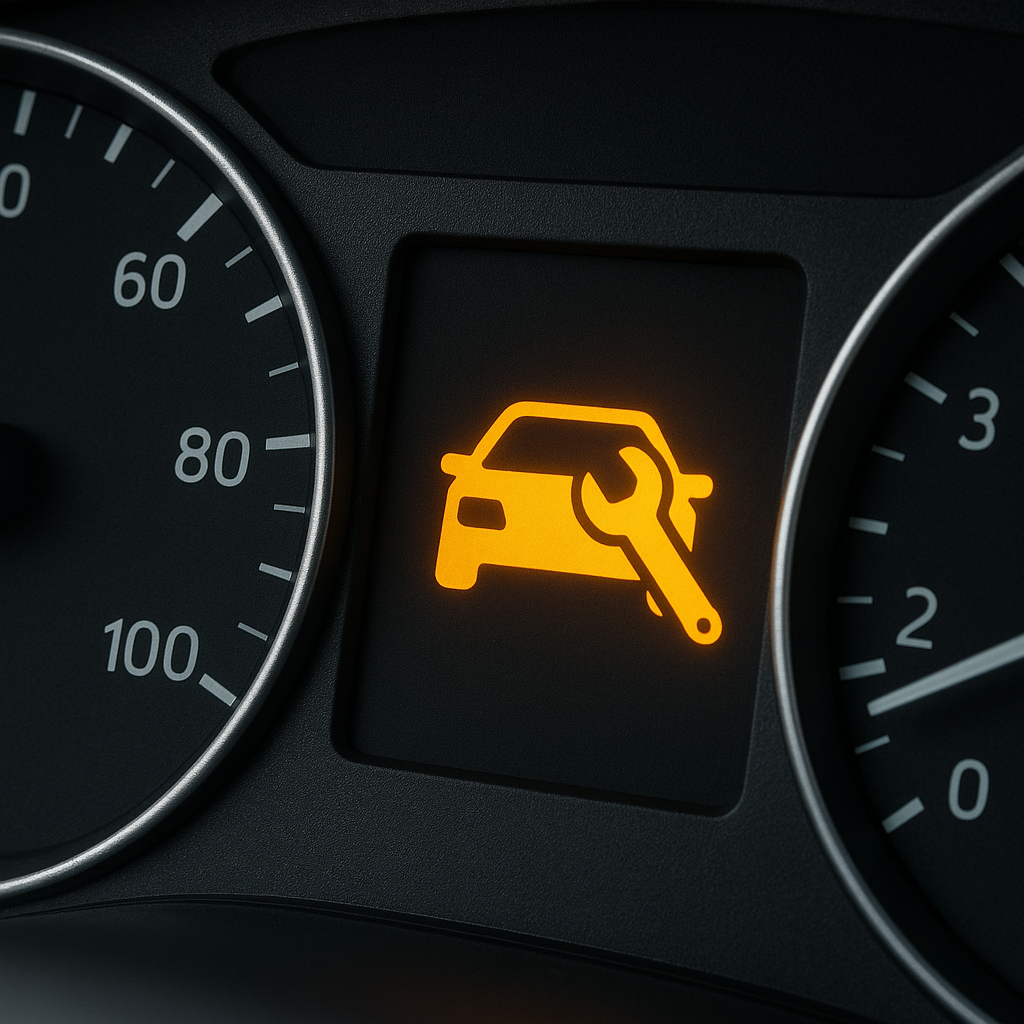
Motor vehicle service notification
Let’s cut through the dealership jargon. If you own a car, truck, or SUV, you have probably seen one of these pop up in your mailbox or inbox. I have spent over a decade tracking automotive compliance and fleet management, and the way manufacturers communicate with drivers has completely shifted. Back in the early two thousands, you relied on a local mechanic and a grease-stained paper booklet. Today, automated systems track your mileage, warranty status, and recall eligibility. Understanding these alerts is not about paranoia, it is about keeping your machine running safely without wasting cash.
What is a motor vehicle service notification
At its core, this term refers to an official alert sent by an automaker, dealership network, or third-party administrator. It tells you that scheduled upkeep, a recall fix, or a software patch requires attention. The industry treats these as compliance documents, which means they follow strict formatting rules. You will usually see your VIN, mileage thresholds, and a clear action timeline. Many drivers ignore them because they look like marketing spam, but the legal framework behind these messages is actually pretty tight. If a manufacturer fails to send these out properly, they risk liability issues if an accident occurs due to overlooked upkeep.
What is motor vehicle notification
This is the broader category. While the first term focuses on scheduled upkeep, a general notification covers everything from tire pressure system updates to emissions compliance checks. Over the last fifteen years, we have seen a massive shift from paper mail to digital dashboards. In the nineties, a driver might get a postcard three months after a safety bulletin dropped. Now, telematics modules push real-time alerts directly to your phone. The progression has been rapid, especially after regulatory bodies in the EU and USA mandated faster digital reporting. The old paper trail was slow, expensive, and easily lost in a glovebox.
Motor vehicle services notice
You will often see this phrasing used interchangeably, though dealerships usually reserve it for promotional upkeep packages. The distinction matters. A genuine compliance alert comes with a zero-cost fix if it falls under a safety campaign. A promotional notice is basically a coupon for oil changes or brake inspections. Knowing the difference saves you from falling for upsells that your car simply does not need right now. I always tell readers to cross-check the VIN on the official manufacturer portal before handing over payment information.
| Document Type | Primary Purpose | Typical Sender | Cost Implication |
|---|---|---|---|
| Compliance Alert | Safety or defect resolution | OEM / Regulatory body | Usually covered under warranty |
| Reminder Notice | Scheduled upkeep tracking | Dealership network | Owner pays unless prepaid |
| Software Patch | Infotainment or ECU update | Manufacturer tech team | Often free at service centers |
The automotive industry moved from reactive repairs to predictive maintenance faster than most consumers realized. Telematics now predict component fatigue before it triggers a dashboard warning.
What is motor vehicle service notification
This exact phrasing usually appears in state-level consumer protection guides. It outlines how manufacturers must disclose upcoming maintenance windows, especially for leased fleets and certified pre-owned vehicles. The complexity comes from regional variations. California requires stricter disclosure timelines than federal guidelines, while EU directives push for standardized digital formats across member states. Drivers need to recognize that these documents are not suggestions. They are structured records of your car’s health status. Ignoring them voids warranties and complicates resale value. I have seen plenty of buyers get burned at auction because they skipped a simple timing belt alert. Always verify the source, check the VIN, and schedule the appointment before the warning light even turns on. Just recieve the paperwork and cross-reference it with your onboard diagnostics. Maitenance logs should never be an afterthought.
- Always verify the VIN matches your registration before taking action
- Cross-check digital alerts with your manufacturer’s official portal
- Save physical copies in a fireproof folder alongside insurance documents
- Never pay upfront for recall-related repairs, they are federally mandated
For deeper regulatory details, you can review the latest automotive compliance guidelines from the National Highway Traffic Safety Administration. European drivers might find the European Commission’s vehicle safety framework equally useful for cross-border warranty claims. The system has matured, and staying informed means fewer surprise breakdowns and a clearer path to keeping your ride roadworthy.